

Elliot Vance
Elliot has spent most of the last decade somewhere other than home. Enough of it in Hanoi and Manila to argue in Vietnamese and Tagalog, and enough weekends in Belgrade to order badly in Serbian. He is fluent in Japanese and an unrepentant Japan geek, which is how most of his holidays get decided. Lately he is mostly on a padel court, or waiting out the rain in a café with a notebook.
Articles
39 ARTICLES
Slovenian Mistakes That Change What You Said
The dual, the cases and one small vowel. Six beginner slips in Slovenian that do not just sound foreign, they tell the other person something you never…

How Serbian Changes in Texts and Phone Calls
Serbian loses its tone the moment it goes through a phone. Here is what replaces it: fillers, softeners and the diacritics nobody types.
Romanian Greetings and Who You Can Say Them To
Bună ziua is correct with almost everyone and wrong with your friends. Here are the Romanian greetings that matter, and the register rule behind each one.
Please and Thank You in Lithuanian, and the Reply
Ačiū, prašau and atsiprašau are the easy part. Here is the ending that changes with who you thank, and the answer you are expected to give back.
Three Macedonian Sounds English Speakers Miss
ќ, ѕ and the syllabic р are the three sounds English speakers flatten in Macedonian, and two of them turn the word you meant into a different word.

Hebrew on the phone and in text messages
On a Hebrew call you commit to a gender in the first sentence. In a typed message you often do not. Here is what drops, what shortens, and how to sign off.
The First Five Questions Iranians Will Ask You
سلام is the easy part. Here are the five questions a stranger in Iran asks first, the replies that keep a conversation going, and the answers meant to…
The First Five Questions Bulgarians Will Ask You
A stranger in Bulgaria opens with the same five questions in roughly the same order. Here are the replies that keep the conversation going.
Croatian Words With No English Equivalent
Molim, izvolite, pomalo, fjaka and hajde. Five words you will hear in your first week in Croatia, and what each one assumes about you.
Bosnian for Emergencies: Pharmacy, Doctor, Police
The Bosnian you need when something goes wrong: naming pain, asking for the nearest pharmacy, reporting a theft, and why hedging makes it worse.

Asking Directions in Greek and Reading the Reply
Πού είναι gets you the question. The hard part is the answer: the handful of words that carry it, the landmarks it is built on, and the head tilt that…
Albanian numbers, prices and the old lek problem
In an Albanian market the tag says 500 and the seller says five thousand. Here is why, plus the number words and haggling phrases that sort it out.

How Turkish Changes When You Type It
Vowels vanish, honorifics fall away, and Alo only exists on the phone. What Turkish does in messages, and how register collapses when you type.
Three Thai Sounds English Speakers Get Wrong
Aspirated stops, English sentence melody and clipped vowels quietly rewrite Thai words. Here is what each habit turns your word into, and how to stop it.

Swahili Please and Thank You, and the Reply You Owe
Asante, tafadhali, samahani and pole are only half of Swahili politeness. The other half is the answer you are expected to give back.

Please and Thank You in Khmer, and the Reply You Owe
Khmer politeness runs on two small words that change with your own gender, not the listener's.
Ordering Food in Vietnamese, From Sitting Down to Paying
The full restaurant sequence in Vietnamese: calling staff over by the right pronoun, the word that gets you a refill, and the northern and southern names…

Lao Greetings and Who You Can Say Them To
ສະບາຍດີ covers almost everything in Lao, but age, monkhood and the telephone all change the rules. Here is who greets whom, and who moves first.

Korean Words With No English Match, Heard Fast
눈치, 정, 한 and 수고하셨습니다 turn up in your first week in Korea. What each one actually means, who you may say it to, and where it goes wrong.
Hindi Mistakes That Change What You Actually Said
Gender on the verb, तू instead of आप, dental against retroflex: the Hindi errors that produce a different sentence rather than just a foreign accent.
Burmese Numbers and Prices: What to Say When You Pay
Burmese numerals on the tag, spoken numbers at the counter, and the phrases that soften an offer. Why 50,000 kyat is said as five of something else.
Bengali Greetings and Who You Can Say Them To
নমস্কার, আসসালামু আলাইকুম and আদাব are not interchangeable. Which Bengali greeting fits whom, from Dhaka to Kolkata, and which one offends an elder.
Arabic for a pharmacy, a clinic, a stolen bag
The Arabic you need at a pharmacy counter, a clinic or a police station, including where a dialect word is expected instead of the textbook one.
Amharic numbers, prices and how to haggle politely
Amharic numbers are simple. The numerals on the sign, the year on the receipt and the clock on the door are not. Here is how prices actually work.
Mongolian Emergency Phrases for the Pharmacy and Doctor
Naming a symptom, asking for the right medicine, and reporting a stolen passport in Mongolian, with the phrases sorted by how fast you need them.
Buying Bus and Taxi Tickets in Armenian
Naming a destination, settling the fare and signalling your stop in Yerevan, with the spoken shortcuts marshrutka drivers actually use.
Ukrainian Mistakes That Change What You Said
In Ukrainian a shifted stress or a wrong ending does not sound foreign, it says something else. Here are the beginner errors that change the meaning.
Russian Words With No English Equivalent
Тоска, ничего, давай and авось do jobs English splits across whole sentences. Here is what each one means, and who you can safely say it to.
Polish Prices and Haggling: Spoken vs Written
Polish price tags show digits, but the spoken price drops half of what is written. Here is how prices sound at a market, and where haggling works.

Please and Thank You in Georgian, and the Reply
Georgian has no single word for please, and thank you carries the person you are talking to inside it. Here are the forms by register, and what comes back.

The First Five Questions Uzbeks Will Ask You
Where are you from, are you married, how old are you. The opening questions in Uzbek are fixed, and so are the answers that keep a conversation going.
Numbers and Prices in Azerbaijani: Spoken vs Written
Azerbaijani prices are almost never said the way they are written. Here is how manat and qəpik work at the bazaar, and the counter-offers that follow.
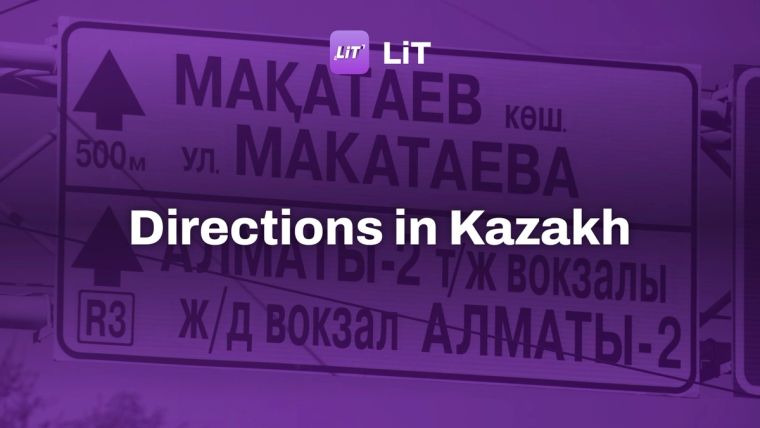
Asking Directions in Kazakh, and Parsing the Answer
Қайда gets you the question out. The answer is the hard part, so here are the direction words, landmarks and verb endings you need to act on what you hear.

Please and Thank You in Dutch (and the Replies Back)
Alsjeblieft mostly does not mean please. Here is how Dutch politeness actually works, and the reply you are expected to hand back.
Say "Hello" in Greek today (with audio)
Γειά σου is the greeting everybody learns first and the one most people use wrongly. Here are six Greek hellos, when each one fits, and how they should sound.

Greetings in Urdu (with audio)
السلام علیکم carries more weight than a simple hello. Six greetings, who says them to whom, and the replies that are expected back.

Basic sentences for Tagalog
Twelve sentences that cover a first conversation, built from the verb-first pattern that makes Tagalog click once you see it.
Say "Hello" in Vietnamese
Xin chào is only half the job. The other half is the pronoun after it, which changes with the age of the person you are talking to.
How to order food and drinks in Turkish
Everything you need between sitting down and paying, including the one phrase that gets you a second çay without asking twice.